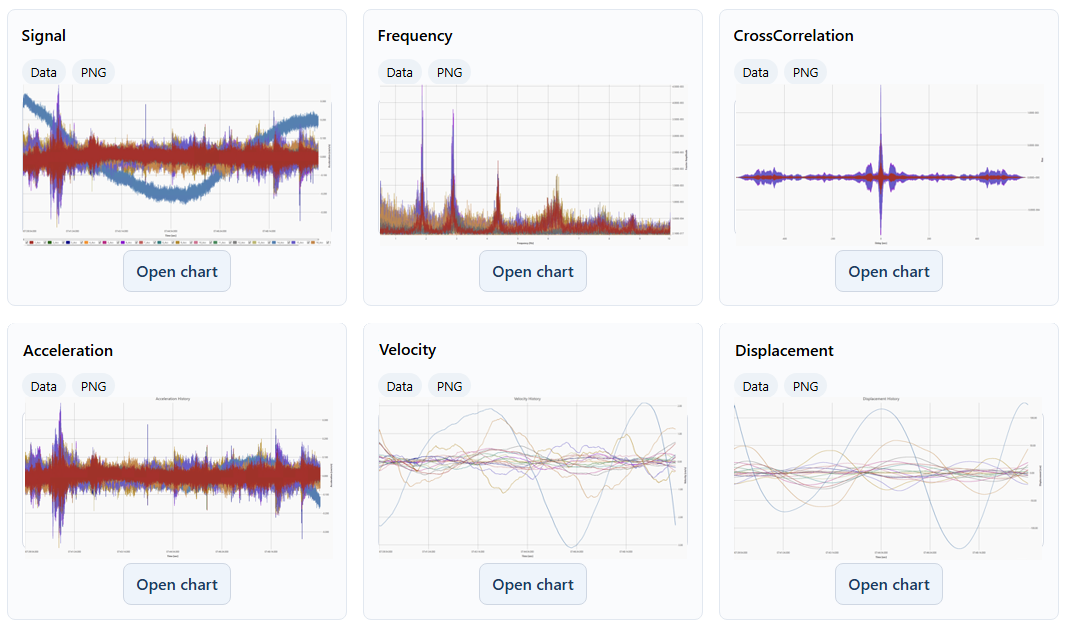
Voyager collects and stores data from the Digitex Sentry devices installed on the structure. Then, in the background, the Observer Automation processes the selected time windows, performs Operational Modal Analysis and signal-processing tasks. Lastly, it generates the results and returns them to the Voyager for real-time user review and all other tasks through the Voyager web interface.
Below is the exact workflow of how you can use our MEMS accelerometer vibration sensors and remote vibration monitoring to turn your data into decisions:
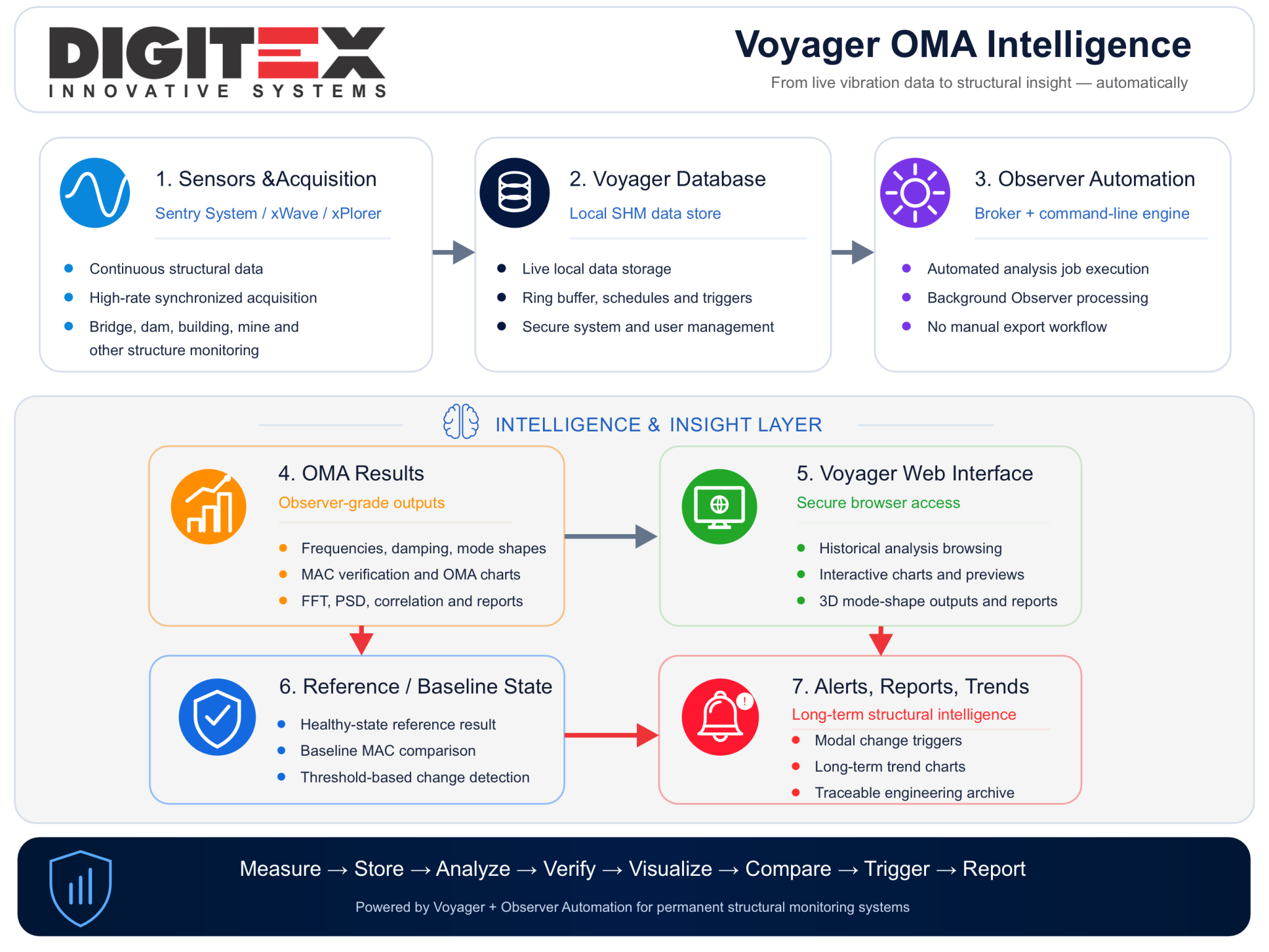
You can configure the system to run analyses periodically, near real-time, or based on pre-selected events. For example, you can analyze a bridge every 10 minutes. On the other hand, you can analyze a dam after a significant vibration event, or a building during specific scheduled time windows. Each analysis will produce a structured result package containing OMA outputs, detected modes, verification data, charts, reports, and optional 3D visualizations.
One of the most important features is the modal change tracking. The system compares newly calculated modal results with a baseline reference. Firstly, you can validate this reference through the Operational Modal Analysis results, a selected healthy-state analysis, or another engineering-approved reference condition. Using MAC-based comparison and configurable thresholds, Voyager detects when modal behaviour changes or breaches beyond the acceptable range.
This is especially useful for long-term Structural Health Monitoring. Modal frequencies and mode shapes change due to operational loading, various forms of damage, temperature changes, humidity, aging, stiffness reduction, changes in boundary conditions, or other structural interventions.
 By storing every analysis result, Voyager OMA Intelligence allows engineers and vibration monitoring companies to observe these changes over time rather than relying solely on isolated measurements.
Civil engineers, building managers, and asset owners can easily rely on the Digitex vibration monitoring equipment for these measurements.
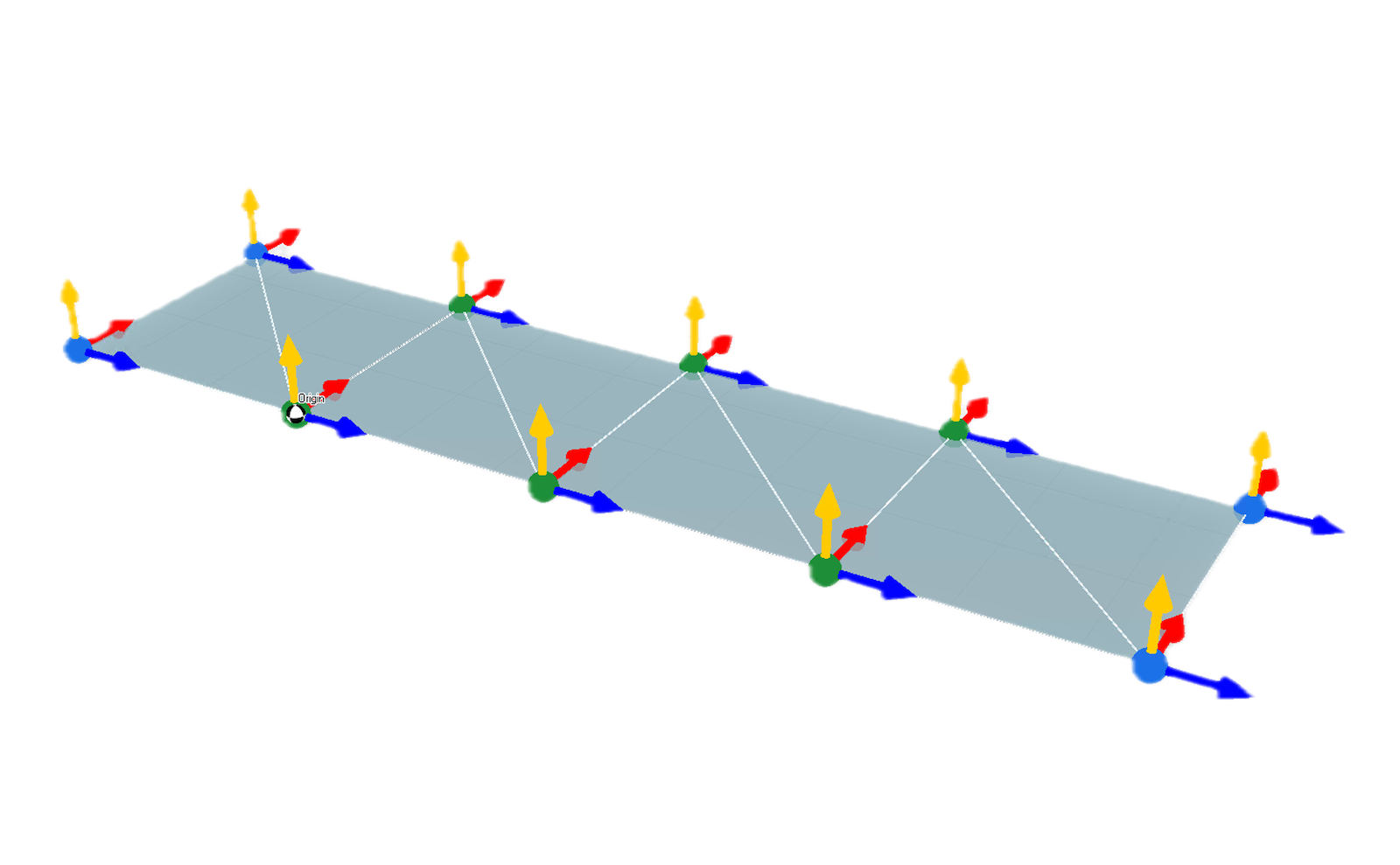
Raw acceleration and vibration monitoring records alone can’t immediately tell a civil engineer or an asset owner whether the structure is changing, evolving stiffness or a specific mode shape requiring attention.
Through the extraction of modal parameters, the Operational Modal Analysis solves this problem. Practically, it solves all of it – natural frequencies, damping ratios, and mode shapes extracted from ambient or operational vibration monitoring data. Traditionally, this process needs an engineer to manually export data, initialize a specialized software, run OMA methods, validate results, compare modes, do an analysis, and prepare reports. Data is available every few minutes.
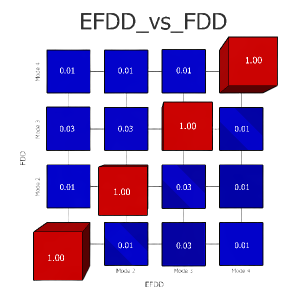
Through the extraction of modal parameters, the Operational Modal Analysis solves this problem. Practically, it solves all of it – natural frequencies, damping ratios, and mode shapes extracted from ambient or operational vibration monitoring data. Traditionally, this process needs an engineer to manually export data, initialize specialized software, run OMA methods, validate results, compare modes, do an analysis, and prepare reports.
All in all, it gives a powerful touch to the whole process. However, during practical and continuous condition monitoring from vibration monitoring devices, it is complex and hard to adjust the model constantly and in real-time. That’s where Digitex Systems’ automated Voyager OMA Intelligence jumps in and makes the whole process smoother and easier, including the verification features.
Simply put, no matter if you use the wireless accelerometer for vibration analysis or any other model, these features will support structural and people’s safety!
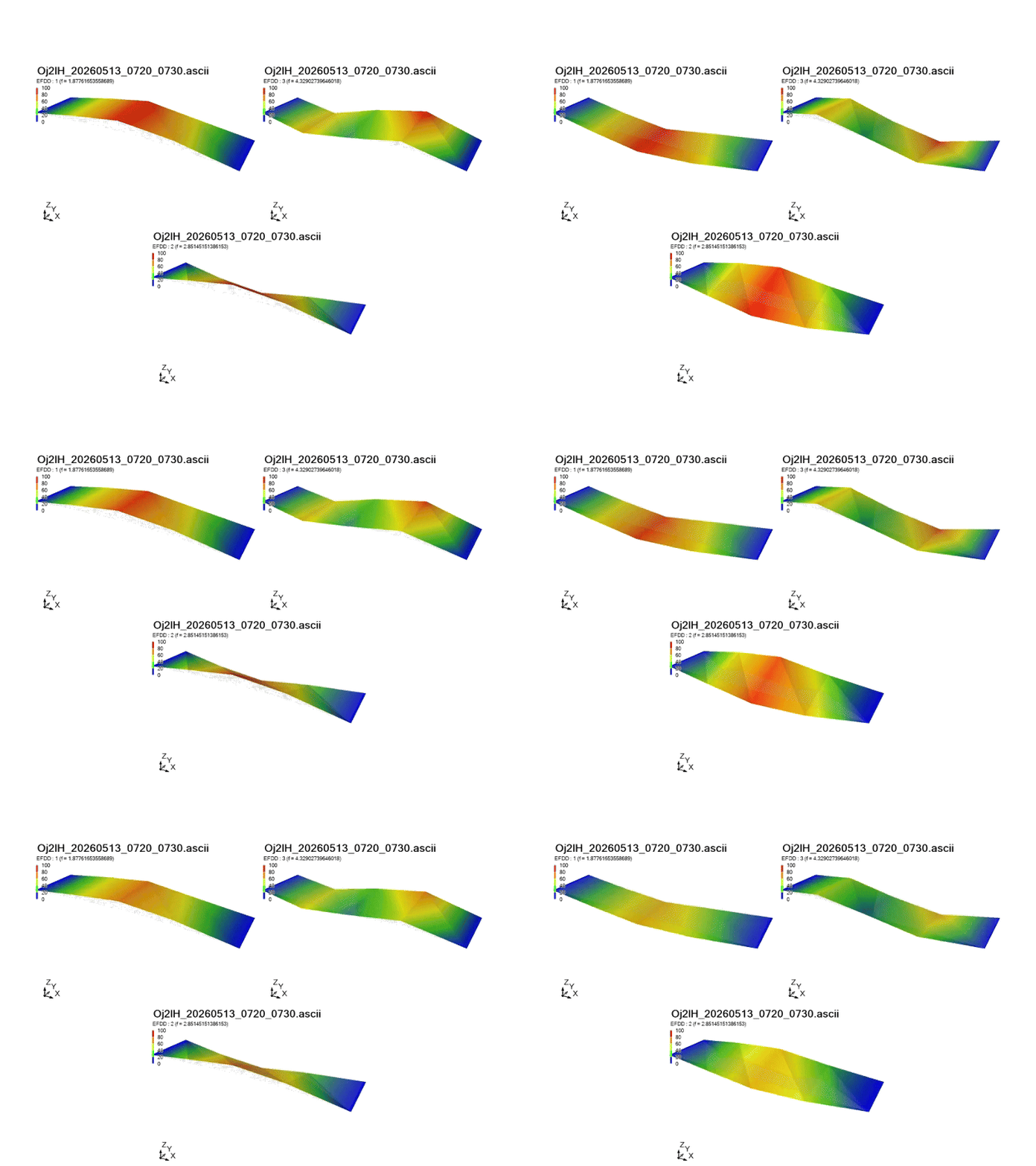
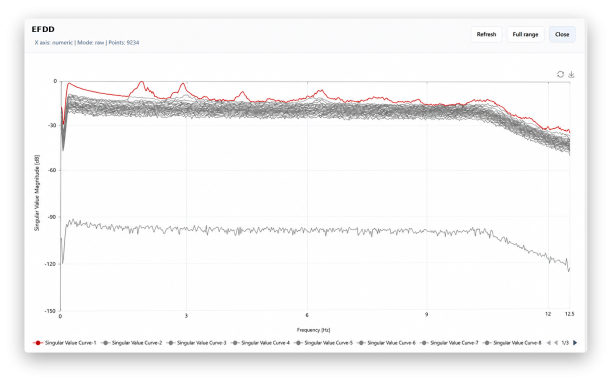
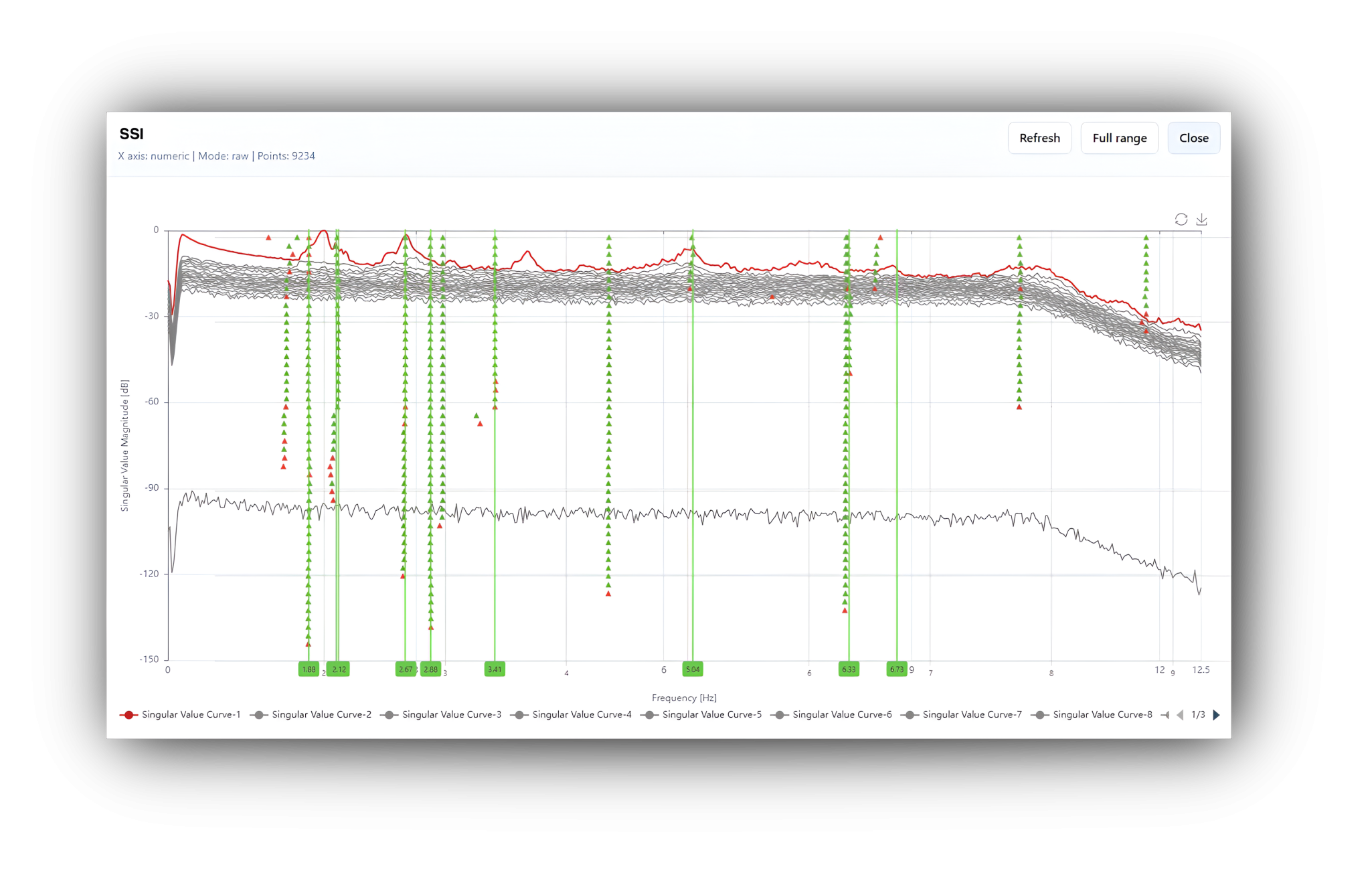
The Voyager OMA module also preserves the engineering depth of Observer. It means that the users aren’t limited to a simple alarm value. They can open detailed OMA charts, review method-specific outputs, inspect MAC verification, and view 3D mode-shape visualizations.
Additionally, they can check signal-processing results such as FFT, PSD, integration, and correlation, and download professional reports. This gives both high-level vibration monitoring insight and detailed engineering traceability for all the Structural Health Monitoring requirements.